

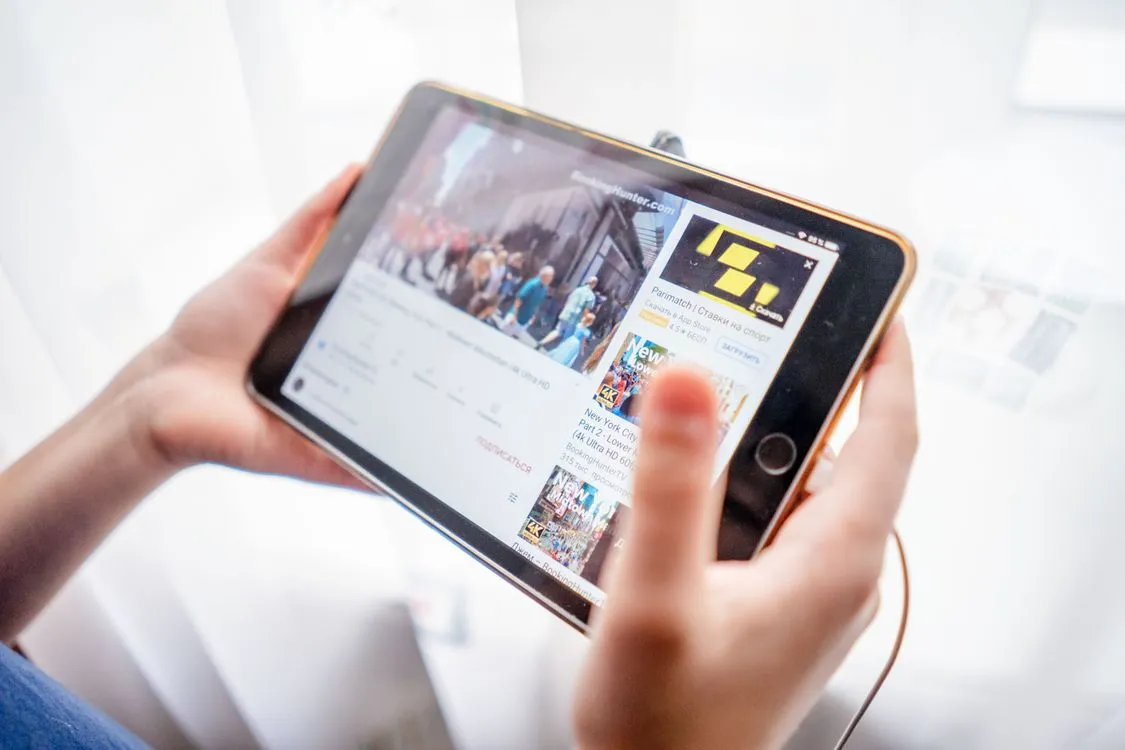
Augmented reality is becoming more useful in 2026. Instead of replacing the real world, AR adds digital information, images, and interactive features on top of what people already see.
This makes it different from virtual reality. VR places users inside a fully digital setting, while AR works through phones, tablets, glasses, screens, and smart displays. That makes it easier for more people to try because it fits into normal habits.
AR Is Making Education More Visual
Education is one of the strongest areas for AR growth. Teachers and training teams are using AR to make lessons easier to understand, especially when a topic is difficult to explain with text or flat images.
A science student can view a 3D model of the heart, a planet, or a chemical structure. A history class can point a tablet at a page and see a historic building appear in detail. A language learner can scan an object and see words, translations, or pronunciation prompts.
This helps students learn through interaction. Instead of only reading about a subject, they can explore it visually and move around it.
AR is also useful for practical training. Mechanics, nurses, engineers, and technicians can see instructions placed over real equipment. This helps learners follow steps more clearly and reduces mistakes during practice.
Retail Is Using AR to Help Shoppers Decide
Retail brands are using AR to make shopping more confident and convenient. One of the most common examples is virtual try-on technology.
A shopper can see how glasses, makeup, clothing, shoes, or accessories might look before buying. Furniture brands also use AR to show how a sofa, lamp, or table could fit inside a real room.
This helps reduce uncertainty. Online shopping can be difficult because customers cannot touch or test products. AR gives them a better idea of size, color, fit, and style.
In physical stores, AR can also guide shoppers to products, show extra details, or compare items on screen. This makes shopping feel more informative without requiring extra staff for every question.
For retailers, AR can support stronger customer confidence and fewer returns.
Tourism Is Becoming More Interactive
Tourism is another area where AR is growing in 2026. Travelers want experiences that are easy to access, helpful, and memorable. AR can add useful information to places they already visit.
A tourist can point a phone at a landmark and see historic facts, old photos, directions, or guided commentary. Museums can use AR to bring exhibits to life with animation, narration, or hidden details.
Hotels and resorts can also use AR maps to help guests find restaurants, pools, lounges, event spaces, and transport areas. This is useful in large properties where guests may feel lost on their first day.
AR can also improve travel planning. A guest might preview a hotel room, tour a resort, or explore an attraction before booking. This helps people make better choices and feel more prepared.
Gaming Is One of AR’s Biggest Strengths
Gaming helped introduce AR to a wider audience, and it remains one of the most exciting uses in 2026. AR games turn real spaces into interactive play areas.
Players can find characters, complete missions, collect rewards, solve puzzles, or compete with friends using phones or smart glasses. This makes gaming more active because players interact with their actual surroundings.
AR also works well for group entertainment. Friends can play in parks, malls, resorts, or event spaces without needing a full virtual setup.
As devices improve, AR gaming is becoming smoother and more detailed. Better cameras, faster networks, and improved tracking make digital objects feel more stable in real spaces.
Casinos Are Testing AR Guest Experiences
Casinos are also experimenting with AR to improve guest engagement. Modern casino resorts already include hotels, restaurants, gaming areas, live shows, shopping, and nightlife. AR can help connect those spaces in more interactive ways.
A casino resort might use AR maps to guide guests through a large property. Guests could point their phones at signs or displays and receive directions, event details, restaurant offers, or loyalty updates.
AR can also add entertainment to waiting areas, lounges, and promotional spaces. A guest might scan a poster to view a digital preview of a show, unlock a reward, or see animated information about a special event.
In gaming areas, AR can add visual features that make certain experiences feel more interactive. The goal is not to make everything more complicated. The goal is to give guests more choice and make the resort feel current.
Online gaming habits also shape expectations. Many players compare convenience and game variety through resources such as good slot sites, showing how digital access continues to influence casino entertainment.
AR Works Best When It Solves a Real Problem
The most useful AR applications are practical. A feature should help people learn faster, shop with more confidence, find their way, or enjoy entertainment in a new way.
AR should not feel like a gimmick. If users need too many steps or the feature does not add value, they will stop using it quickly.
This is why simple AR tools often work best. Product previews, live directions, visual instructions, and interactive guides are easy to understand and easy to repeat.